Guide to Laser Eye Surgery
Considering Laser Eye Surgery?
Considering laser eye surgery? You're not alone. With various options available, it’s essential to be informed about each technique to make the best decision for your vision journey.
What You Will Learn
- Different types of laser eye surgery include LASIK, SMILE, PRK, and LASEK, each with unique benefits.
- Pre-operative assessments are crucial for determining the most suitable procedure for your eye condition.
- Recovery times are generally quick, with most patients resuming normal activities within days.
- Factors influencing your choice of procedure include eye health, prescription stability, and lifestyle considerations.
Comparing Laser Eye Surgery Types
This visual provides a side-by-side comparison of the four main types of laser eye surgery: LASIK, SMILE, PRK, and LASEK, highlighting their key characteristics.
LASIK
Most widely performed. Uses a laser to create a flap in the cornea and reshape the underlying tissue.
SMILE
Newer technique, minimally invasive. Ideal for patients with myopia.
PRK
Removes outer layer of cornea, allowing direct laser reshaping.
LASEK
Similar to PRK, but preserves and replaces the outer corneal layer after reshaping.
Understanding Laser Eye Surgery Options in Australia
When considering vision correction, many individuals are curious about the different laser eye surgery options available in Australia. This journey can seem overwhelming, but I'm here to help you understand the basics! Laser eye surgery involves using advanced technology to reshape the cornea, allowing light to focus correctly on the retina. The result? Improved vision without the need for glasses or contact lenses! For a deeper dive into the specific procedures and what they entail, you can explore our detailed guide on laser eye surgery types explained.
In essence, laser eye surgery is a medical procedure that aims to enhance vision by correcting common refractive errors like myopia (nearsightedness), hyperopia (farsightedness), and astigmatism. The process typically involves using lasers to either reshape the cornea or create a small incision, depending on the specific technique chosen.
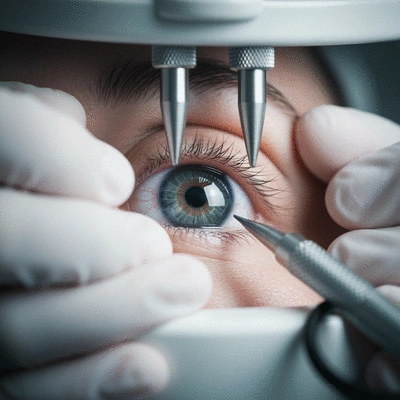
What is Laser Eye Surgery and How Does It Work?
Laser eye surgery encompasses various techniques that utilize focused light beams to alter the shape of the cornea. The primary goal is to improve visual acuity and reduce dependency on corrective eyewear. Have you ever wondered how this works? Here’s a simplified breakdown:
- Pre-Operative Assessment: A thorough eye examination is conducted to determine the most suitable procedure for your specific needs.
- Procedure Day: On the day of surgery, you’ll receive numbing eye drops, and a laser is used to reshape your cornea.
- Recovery: Most patients experience quick recovery times, often returning to normal activities within days!
It's essential to consult with your ophthalmologist to ensure you're a good candidate for surgery and to address any concerns you may have. At VisionCost Insights, I emphasize the importance of understanding your options and what to expect during the process.
Overview of Laser Eye Surgery Types: LASIK, SMILE, PRK, and LASEK
There are several well-known types of laser eye surgery available today, each with its unique characteristics and benefits. Here’s a brief overview of the most popular procedures:
- LASIK: The most widely performed procedure, LASIK uses a laser to create a flap in the cornea and reshape the underlying tissue.
- SMILE: A newer technique that involves a minimally invasive approach, SMILE is ideal for patients with myopia.
- PRK: This procedure involves removing the outer layer of the cornea, allowing the laser to reshape it directly.
- LASEK: Similar to PRK, LASEK preserves the outer layer of the cornea, which is then replaced after reshaping.
Each of these procedures has its advantages, making it crucial to discuss with your surgeon which option aligns best with your vision goals. Understanding these choices helps you feel more empowered in your laser eye surgery journey! Knowing the costs associated with these procedures can also help you make an informed decision.
We Want to Hear From You!
What factors are most important to you when selecting a laser eye surgery procedure? Share your thoughts below:
Making an Informed Decision: Choosing the Right Procedure for You
Deciding on the right laser eye surgery is a significant step in your vision correction journey. This choice often hinges on various factors, including your eye condition, lifestyle, and the specific requirements highlighted during pre-operative assessments. I always encourage my patients to take the time to evaluate these aspects thoroughly, as they play a crucial role in achieving the best possible outcomes.

When assessing your candidacy for laser eye surgery, consider the following key factors:
- Eye Health: Certain conditions like severe dry eye or corneal abnormalities may affect your suitability.
- Prescription Stability: Your vision prescription should be stable for at least a year before undergoing surgery.
- Lifestyle Considerations: Your daily activities can influence the type of procedure that may suit you best.
- Age: Some procedures may be more effective for individuals within specific age ranges.
By reflecting on these points, you can begin to narrow down which procedure aligns with your needs. Remember, a thorough consultation with an experienced surgeon can provide invaluable insights tailored just for you!
Assessing Your Candidacy: Eye Conditions, Lifestyle Factors, and Pre-operative Assessments
Your eye health is the foundation on which we base our recommendations. During your initial consultation, we perform a comprehensive pre-operative assessment that includes:
- Visual Acuity Tests: To measure how well you see at various distances.
- Corneal Mapping: To analyze the shape and thickness of your cornea.
- Pupil Dilation: To inspect the overall health of your eyes.
- Dry Eye Assessment: To determine if you have any underlying conditions that may complicate surgery.
Understanding these aspects helps us recommend the most suitable laser eye surgery for you. It's all about ensuring that whatever choice you make is grounded in your unique circumstances!
Interactive Tools: Suitability Quizzes and Decision Flowcharts
To further assist you in your decision-making process, I encourage you to explore interactive tools available on our website. These include suitability quizzes and decision flowcharts that help elucidate which procedure may align with your needs.
For instance, a suitability quiz might guide you through questions about your eye health, lifestyle preferences, and surgical goals. Based on your answers, you’ll receive tailored suggestions on the best treatment options available. These resources not only empower you with knowledge but also help pave the way for informed discussions during consultations. To help you prepare for these important discussions, consider reviewing some key questions to ask your eye surgeon.
Frequently Asked Questions (FAQs)
- What are the main types of laser eye surgery?
- The main types are LASIK, SMILE, PRK, and LASEK, each differing in how they reshape the cornea to correct vision.
- How does laser eye surgery improve vision?
- Laser eye surgery reshapes the cornea, the clear front part of the eye, to correctly focus light onto the retina, thereby correcting refractive errors like nearsightedness, farsightedness, and astigmatism.
- Am I a good candidate for laser eye surgery?
- Candidacy depends on several factors, including your eye health, the stability of your vision prescription, your lifestyle, and age. A thorough pre-operative assessment by an ophthalmologist is crucial.
- What is the recovery time for laser eye surgery?
- Recovery times vary by procedure, but most patients experience quick recovery, often returning to normal activities within a few days.
- What should I consider when choosing a laser eye surgery procedure?
- Key considerations include your specific eye condition, the stability of your prescription, your lifestyle needs, and your age. Discussing these with an experienced surgeon will help determine the best option for you.
Recap of Key Points
Here is a quick recap of the important points discussed in the article:
- Understanding Laser Eye Surgery: Laser eye surgery corrects refractive errors such as myopia, hyperopia, and astigmatism, improving vision without glasses or contacts.
- Types of Procedures: Common techniques include LASIK, SMILE, PRK, and LASEK, each with unique benefits and suitability based on individual needs.
- Pre-operative Considerations: Important factors include eye health, prescription stability, lifestyle, and age, which all influence the choice of procedure.
- Assessment and Consultation: A thorough pre-operative assessment is essential to determine the most appropriate surgery for your eyes.
- Interactive Tools: Utilize suitability quizzes and decision flowcharts to assist in making informed choices about laser eye surgery options.