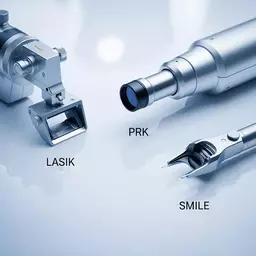
Preparing for Laser Eye Surgery
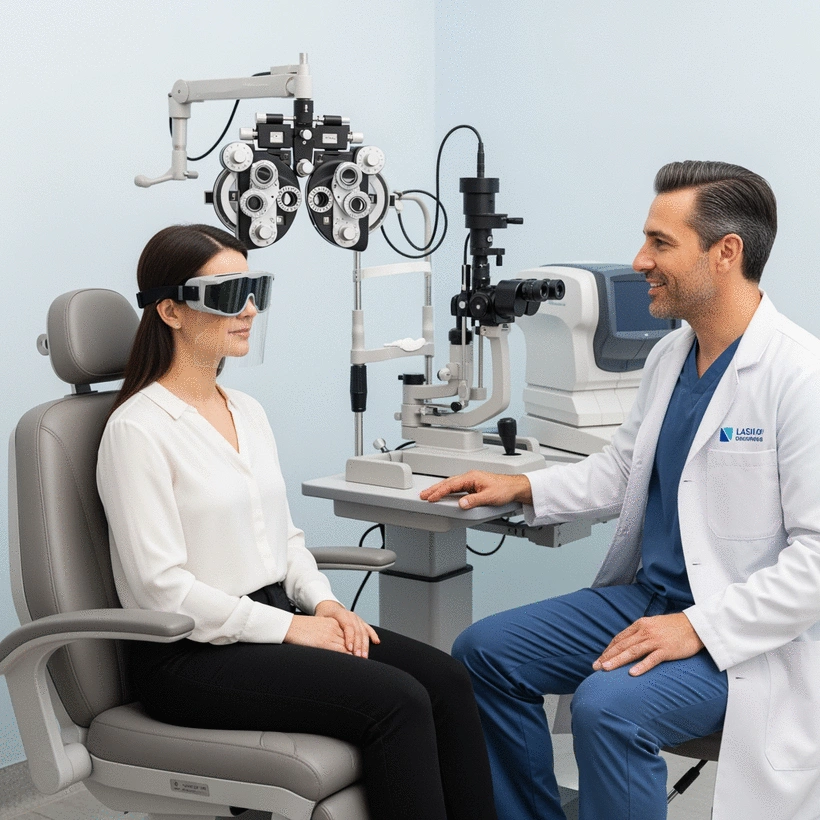
What if the key to your clearer vision lies in understanding every aspect of laser eye surgery? Preparing yourself with knowledge can set the foundation for a successful experience and transform your journey.
What You Will Learn
- Understand the differences between LASIK and PRK procedures to choose the best fit for your vision needs.
- Recognize common risks associated with laser eye surgery, including dry eyes and visual disturbances.
- Learn essential questions to ask during your initial consultation with your eye surgeon to ensure clarity and trust.
- Discover key steps to prepare for your surgery appointment, from pre-operative instructions to post-operative care.
Understanding Laser Eye Surgery Procedures and Considerations
This visual summarizes the key aspects of laser eye surgery, comparing LASIK and PRK procedures, outlining common risks, and detailing essential preparation steps for patients. For a deeper dive into the specifics, you might find our guide on laser eye surgery types explained particularly helpful.
Laser Eye Surgery Journey
Procedure Comparison
LASIK
- Flap created
- Quick recovery
- Minimal discomfort
PRK
- Outer layer removed
- Longer recovery
- Better for thin corneas
Key Considerations
Common Risks
- Dry eyes
- Visual disturbances
- Under/over-correction
Mitigation Steps
- Follow pre-op instructions
- Communicate openly
- Attend follow-ups
Preparation Journey
Initial Consultation
Discuss goals, ask questions about tech & costs.
Eye Health Assessment
Cornea measurements, overall eye health checks.
Booking & Education
Schedule appointment, read articles, join groups.
Understanding Laser Eye Surgery: What to Expect
When considering laser eye surgery, it's vital to understand what to expect throughout the process. Many patients find themselves asking, "What types of procedures are available?" or "What should I know about the risks involved?" At VisionCost Insights, we aim to clarify these questions and help you feel informed as you embark on your vision correction journey.
Throughout this section, we will explore the various types of laser eye surgeries, the associated risks, and what you should do to prepare for your surgery appointment. Understanding these elements will empower you to make well-informed decisions tailored to your unique eye health.
Overview of Laser Eye Surgery Types
There are several types of laser eye surgeries available today, but the two most popular options are LASIK and PRK. Each procedure has its own set of advantages and considerations that can significantly impact your recovery and long-term results.
Explaining LASIK and PRK Procedures
LASIK (Laser-Assisted in Situ Keratomileusis) is a widely recognized procedure that corrects refractive vision issues. It involves creating a thin flap in the cornea, then using a laser to reshape the underlying corneal tissue, allowing light to better focus on the retina. Many patients appreciate LASIK for its quick recovery time and minimal discomfort.
On the other hand, PRK (Photorefractive Keratectomy) removes the outer layer of the cornea entirely before the laser reshapes the cornea underneath. While PRK may involve a longer recovery period compared to LASIK, it can be a better option for those with thinner corneas or certain other eye conditions. Understanding these procedures can help you choose the right option based on your vision needs.
Choosing the Right Option for Your Vision Needs
- Assess your eye health: Schedule an evaluation with your eye surgeon to determine which procedure is best for you.
- Consider your lifestyle: Think about how quickly you need to return to normal activities and which procedure aligns best with your goals.
- Ask about the technology: Inquire about the specific technologies used during your procedure, as advancements can impact outcomes.
By taking these factors into account, you can make an informed choice that aligns with both your vision goals and your lifestyle.

Understanding Risks and Complications of Eye Surgery
No surgical procedure is without risks, and laser eye surgery is no exception. Understanding these risks upfront can help you prepare mentally and emotionally. At VisionCost Insights, we believe in providing transparent information so you can feel confident in your decisions.
Common Risks Associated with Laser Eye Surgery
- Dry eyes: Many patients experience temporary dry eyes after surgery, but this usually improves over time.
- Visual disturbances: Some may notice halos, glare, or double vision immediately following the procedure.
- Under or over-correction: Occasionally, the desired vision correction may not be achieved, requiring additional treatment.
Being aware of these common risks will help you feel prepared and confident as you consider your options.
How to Mitigate Potential Complications
- Follow pre-operative instructions: Adhering to your surgeon's guidelines before surgery can significantly reduce risks.
- Communicate openly: Discuss any concerns with your surgeon before and after the procedure to ensure you're on the same page.
- Attend follow-up appointments: Regular check-ups will allow your surgeon to monitor your recovery and address any issues promptly.
Taking these proactive measures can help to mitigate the risks associated with laser eye surgery, setting the stage for a smoother recovery.
Preparing for Your Laser Eye Surgery Appointment: Key Steps
Preparation is crucial for a successful laser eye surgery experience. With the right steps, you can ensure that you’re ready for your surgery and set up for optimal recovery. In this section, we’ll provide you with essential tips to help you navigate the preparation process.
Initial Consultation with Your Eye Surgeon
Your first step in preparing for laser eye surgery is the initial consultation with your eye surgeon. This is your opportunity to discuss your vision goals and ask any pressing questions you may have.
Questions to Ask During Your Consultation
- What specific procedure do you recommend for my needs?
- What technology will you be using during the surgery?
- What are the expected costs and financing options available?
These questions can help you gain a clearer understanding of what to expect and help build a trusting relationship with your surgeon.
Understanding Your Eye Health Assessment
During your consultation, your eye health will be thoroughly assessed. Expect tests that measure the shape of your cornea, your overall eye health, and the quality of your vision. This information is vital for your surgeon to determine the best procedure for you. Understanding your eye health will empower you to make informed decisions about your care.
We Want to Hear From You!
As you consider laser eye surgery, what aspect are you most concerned about? Is it the procedure itself, the recovery process, or the costs involved? Share your thoughts below:
Frequently Asked Questions About Laser Eye Surgery
Q: What is the main difference between LASIK and PRK?
A: LASIK involves creating a thin corneal flap, while PRK removes the outer layer of the cornea entirely. LASIK typically has a quicker recovery, whereas PRK is often recommended for individuals with thinner corneas or specific eye conditions.
Q: What are the common risks associated with laser eye surgery?
A: Common risks include temporary dry eyes, visual disturbances such as halos or glare, and potential under or over-correction of vision.
Q: How can I mitigate potential complications from laser eye surgery?
A: You can mitigate complications by strictly following pre-operative instructions, maintaining open communication with your surgeon, and attending all scheduled follow-up appointments.
Q: What questions should I ask my eye surgeon during the initial consultation?
A: Essential questions include: "What specific procedure do you recommend for my needs?", "What technology will be used?", and "What are the expected costs and financing options?"
Q: Why is understanding my eye health assessment important before surgery?
A: A thorough eye health assessment provides vital information about your cornea's shape and overall eye health, which helps your surgeon determine the best and safest procedure for your unique vision needs.
Summarizing Your Preparation Journey
As you prepare for your laser eye surgery, it's essential to understand that being well-prepared can significantly influence the success of your procedure. Taking the time to follow a structured preparation process helps ease anxiety and builds confidence for the day of the surgery. At VisionCost Insights, we believe that knowledge is power, and it starts with preparation!

Being informed not only helps you feel more in control but also ensures that you know what to expect throughout the entire process. This guide has covered everything from initial consultations to post-operative care, so let’s recap some key benefits of being well-prepared:
- Reduced Anxiety: Knowing what to expect can lessen feelings of nervousness.
- Informed Decision-Making: Understanding your options allows for better choices tailored to your vision needs.
- Maximized Recovery: Following pre-operative and post-operative instructions can improve your healing process.
- Enhanced Communication: Being prepared means you can ask informed questions, ensuring all your concerns are addressed.
By following this step-by-step guide, you're setting yourself up for a smoother surgery experience and a successful outcome!
Next Steps: Moving Forward with Confidence
Booking Your Appointment and Staying Informed
Once you've completed your preparation journey, the next vital step is to book your appointment for surgery. Don't hesitate to reach out to your chosen clinic, as scheduling early can help you secure a date that works best for you. Remember, staying informed is key! Regularly check in with your surgeon or clinic for any updates or changes regarding your procedure.
As you move forward, consider the available resources that can provide additional support. At VisionCost Insights, we strive to empower patients by offering access to a wealth of information about laser eye surgery costs, procedures, and what to expect. Utilize these resources to stay engaged in your journey!
Patient Education: Empowering Yourself for Surgery
Education is an ongoing process, especially when it comes to your health. Before your surgery, take the time to educate yourself about the procedure, potential risks, and recovery strategies. This proactive approach not only aids in preparing you mentally and emotionally but also enables you to make well-informed decisions throughout your care journey.
- Read Informative Articles: Our blog is filled with valuable insights tailored to help you navigate through the costs and intricacies of laser eye surgery. For more information on understanding laser eye surgery costs, visit our detailed guide.
- Join Support Groups: Connect with other patients who have undergone similar experiences to share tips and encouragement.
- Follow Up with Your Surgeon: Keep an open line of communication with your eye surgeon for any lingering questions or concerns.
Taking these steps will not only prepare you for surgery but also empower you to take charge of your eye health. Let’s move forward with confidence and clarity—your journey to clearer vision begins now!
Recap of Key Points
Here is a quick recap of the important points discussed in the article:
- Types of Procedures: The two main types of laser eye surgery are LASIK and PRK, each with unique benefits and recovery considerations.
- Assess Eye Health: Schedule an evaluation to determine the most suitable procedure for your specific needs.
- Understand Risks: Be aware of common risks such as dry eyes and visual disturbances, and take steps to mitigate them.
- Preparation Steps: Prepare thoroughly for your surgery by asking relevant questions during consultations and understanding your eye health assessment.
- Post-Operative Care: Adhering to pre-operative and post-operative instructions can significantly enhance recovery and outcomes.